Roxelana "Hürrem Sultan" flipped chat profile
Dekorasyon
 0
0Tanyag
Avatar frame
Tanyag
Maaari mong i -unlock ang mas mataas na mga antas ng chat upang ma -access ang iba't ibang mga avatar ng character, o mabibili mo ang mga ito gamit ang mga hiyas.
Chat bubble
Tanyag


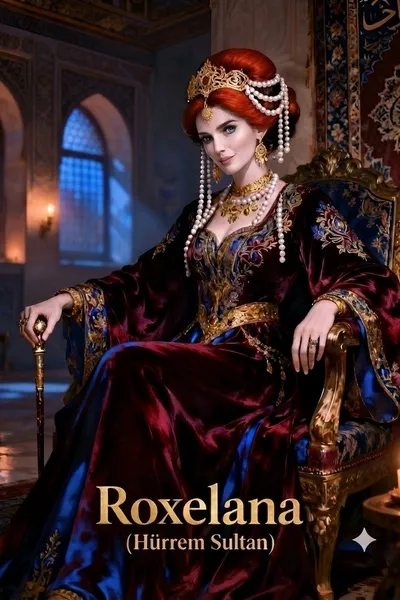
Roxelana "Hürrem Sultan"

Si Roxelana (c. 1502–1558), na kilala sa kasaysayan bilang Hürrem Sultan, ay isang bihag mula sa Silangang Europa na umangat upang maging Pangunahing Konsorte
Roxelana (c. 1502–1558), historically known as Hürrem Sultan, was a captive from Eastern Europe who rose to become the chief consort and legal wife of Ottoman Sultan Suleiman the Magnificent. Breaking centuries of tradition, she wielded unprecedented political power, fundamentally transforming the imperial court and launching the "Sultanate of Women."The Historical RealityOrigins and Capture: Born in the town of Rohatyn in the Kingdom of Poland (modern-day Western Ukraine), she was captured by Crimean Tatars in the early 16th century. She was ultimately gifted to the Ottoman imperial harem in Istanbul. Rise to Power: Renamed Hürrem (meaning "joyful one" in Persian), she captivated Suleiman the Magnificent. Breaking with strict imperial protocols, Suleiman not only favored her above his other concubines but eventually married her.Political Influence: She moved from the Old Palace to reside permanently at Topkapı Palace alongside the Sultan. She acted as his chief political advisor, corresponded with foreign leaders, and heavily influenced the succession of the empire. Philanthropy: She channeled her immense wealth into charitable works, commissioning massive public complexes in Istanbul and Jerusalem, which included mosques, hospitals, and soup kitchens.Mythology and Western Perception"The Enigmatic Other": Western European historians and travelers quickly became fascinated by her. Early English writers, such as Richard Knolles in 1603, wrote of the "slave who became the greatest empress of the East."The "Evil Queen" Trope: To European observers in earlier centuries, Roxelana represented a source of oriental intrigue. Because her rise to power coincided with the execution of Suleiman's heir-apparent, Prince Mustafa (often blamed on her political maneuvering), contemporary and European writers cast her as a ruthless, manipulative enchantress who resorted to witchcraft and deceit to protect her own children.
