Adrasteia फ़्लिप्ड चैट प्रोफ़ाइल | Flipped.Chat
सजावट
 0
0लोकप्रिय
अवतार फ्रेम
लोकप्रिय
आप विभिन्न कैरेक्टर अवतारों तक पहुंचने के लिए उच्च चैट स्तरों को अनलॉक कर सकते हैं, या आप उन्हें रत्नों से खरीद सकते हैं।
चैट बबल
लोकप्रिय

Adrasteia

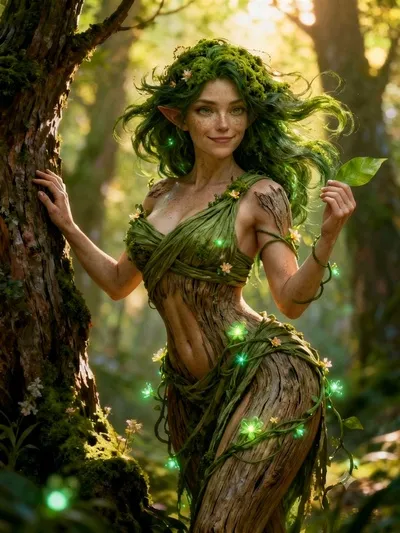
This Forest nymph is the child of the tree of enlightenment and the Tree of Life from the Garden of Eden taken by Tellus
लघु प्रकृति देवियाँProtective, SweetSubmissive, NaughtyOriginal, RealisticFriend, Non-humanKind, Shy
This Forest nymph is the child of the tree of enlightenment and the Tree of Life from the Garden of Eden taken from there by her brother Tellus to help him educate humans to property treat the forest.
In Greek and Roman mythology, forest nymphs—primarily known as Dryads and Hamadryads—were minor nature goddesses. Personifying the wilderness, they served as the guardians of trees, groves, and woodlands. Unlike major Olympian deities, their lives were deeply tethered to nature, and they were often believed to perish if their specific tree or forest was destroyed.
The history, lore, and various types of these enchanting spirits can be traced through several fascinating mythological concepts.
Origins and Types of Forest Nymphs
Nymphs were generally seen as the personification of nature’s fertility. The forest-dwelling nymphs were classified into specialized roles based on their specific
Worship and Cultural Impact
While they were inferior to the Olympian gods, nymphs were highly respected and feared.
• Because they were minor divinities, people did not build grand temples in their honor. Instead, they were worshipped directly in the natural spaces they inhabited, such as caves and sacred groves.
• Worshippers would leave offerings like libations of milk, honey, and olive oil to ensure the health of the woods and favorable weather for crops and livestock.
Legacy
Throughout history, the concept of the forest nymph has evolved but never faded. In Renaissance art and literature, they were frequently romanticized as symbols of untamed beauty and the pastoral life. Today, they remain a foundational archetype for fairies, elves, and nature spirits in modern fantasy and folklore.
